
Department of Mechanical Engineering
Faculty of Engineering, Chiang Mai University
เมื่องานวิศวกรรมมาบรรจบกับการผ่าตัดหัวใจ ชีวิตก็เปลี่ยนไป
504[English below]
เมื่องานวิศวกรรมมาบรรจบกับการผ่าตัดหัวใจ ชีวิตก็เปลี่ยนไป
ณ ห้องปฏิบัติการวิจัยของ รองศาสตราจารย์ ดร.ยศธนา คุณาทร ภาควิชาวิศวกรรมเครื่องกล มหาวิทยาลัยเชียงใหม่ กำลังบุกเบิกงานวิจัยที่ช่วยปรับปรุงผลลัพธ์การรักษาสำหรับเด็กและผู้ใหญ่ที่ป่วยด้วยโรคหัวใจพิการแต่กำเนิด (complex congenital heart disease) เช่น ผู้ป่วยที่เข้ารับการผ่าตัด Fontan ซึ่งเป็นการเปลี่ยนเส้นทางการไหลเวียนของเลือดโดยการบายพาสหัวใจด้านขวา สำหรับเด็กที่เกิดมาพร้อมกับหัวใจห้องล่างที่ทำงานได้เพียงห้องเดียว เป็นต้น
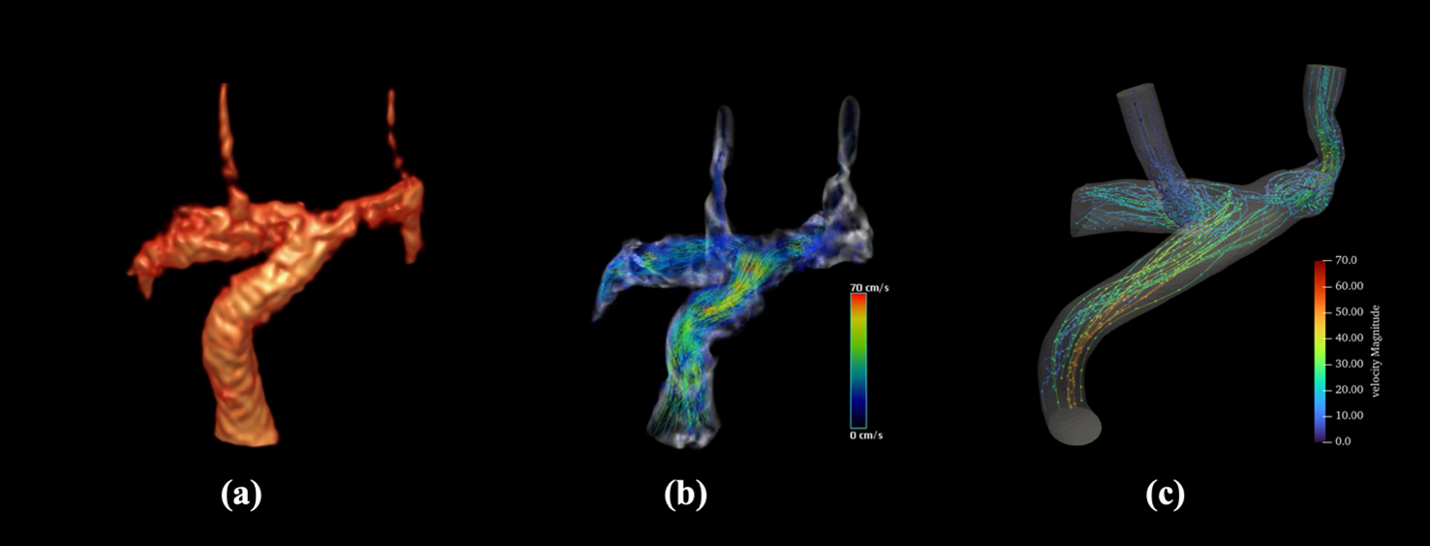
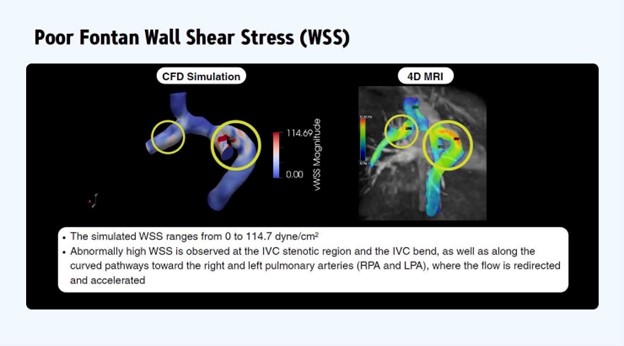
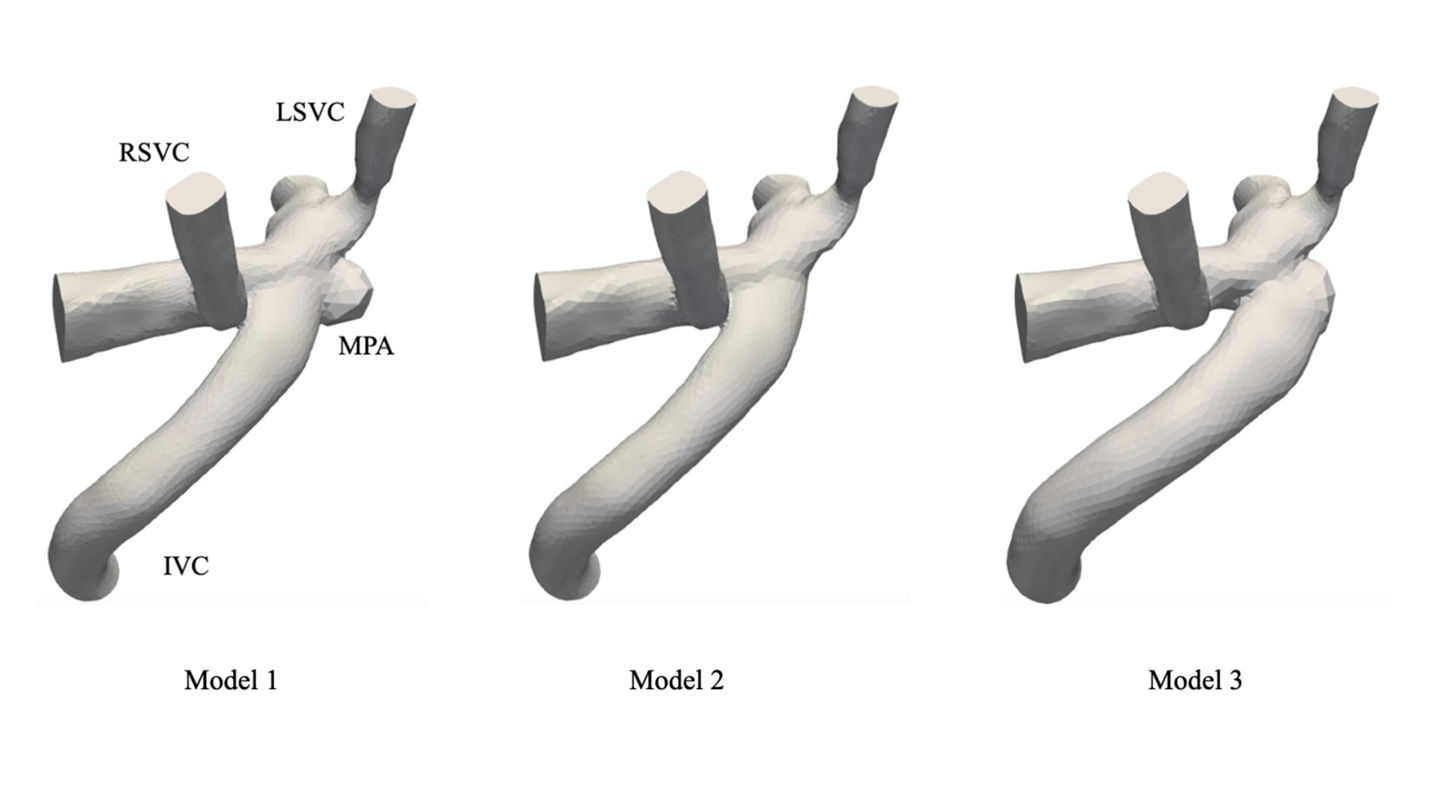
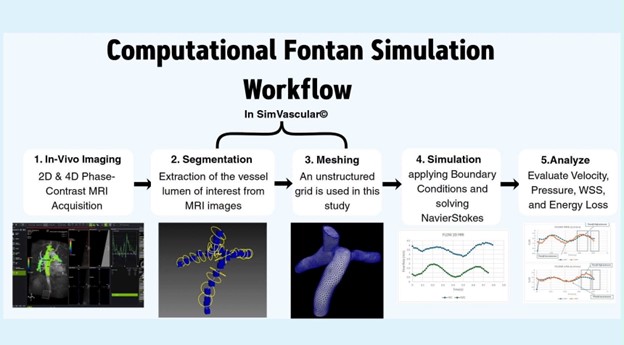
ไฉนเรื่องนี้จึงสำคัญ? หลังการผ่าตัด Fontan ระบบการไหลเวียนเลือดของร่างกายหลังผ่าตัดจะเปลี่ยนแปลงไปอย่างสิ้นเชิง เลือดที่ต้องไหลเข้าสู่ปอดจะไม่มีห้องหัวใจห้องขวาคอยสูบฉีด ซึ่งหมายความว่าทุกทางโค้ง ทุกจุดเชื่อมต่อในเส้นทางการผ่าตัดอาจก่อให้เกิดแรงต้านทาน ส่งผลให้หัวใจทำงานหนักมากขึ้น ลดสมรรถภาพในการออกกำลังกายของผู้ป่วย และยิ่งไปกว่านั้น ยังเพิ่มความเสี่ยงต่อการเกิดลิ่มเลือดอีกด้วย ดังนั้นทีมวิจัยจึงใช้การจำลองด้วยคอมพิวเตอร์ขั้นสูง (พลศาสตร์ของไหลเชิงคำนวณ หรือ Computational Fluid Dynamics) ร่วมกับการถ่ายภาพ 4D MRI สร้างแบบจำลองการผ่าตัดในรูปแบบเสมือนจริงก่อนที่จะมีการผ่าตัดจริง เพื่อทำวิเคราะห์การไหลเวียนของเลือดในกายวิภาคเฉพาะของผู้ป่วยแต่ละราย ด้วยการ เพื่อช่วยวางแผนการผ่าตัดที่จะช่วยลดการสูญเสียพลังงาน สร้างสมดุลการไหลเวียนเลือดไปยังปอดทั้งสองข้าง และลดความเสี่ยงของการเกิดลิ่มเลือด การคาดการณ์เหล่านี้ได้ช่วยให้แพทย์ผ่าตัดมีข้อมูลในการผ่าตัดล่วงหน้า ประกอบการวางแผนและตัดสินใจในการผ่าตัดได้ดีขึ้น นอกจากนี้ งานวิจัยยังรวมถึงการจำลองหาตำแหน่งการวางแนวเส้นเลือดที่เหมาะสมของการทำบายพาสหัวใจ
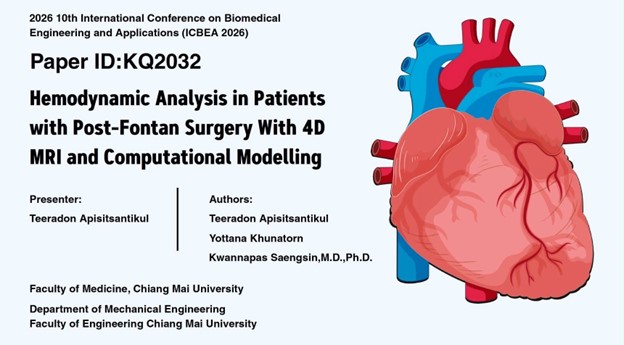
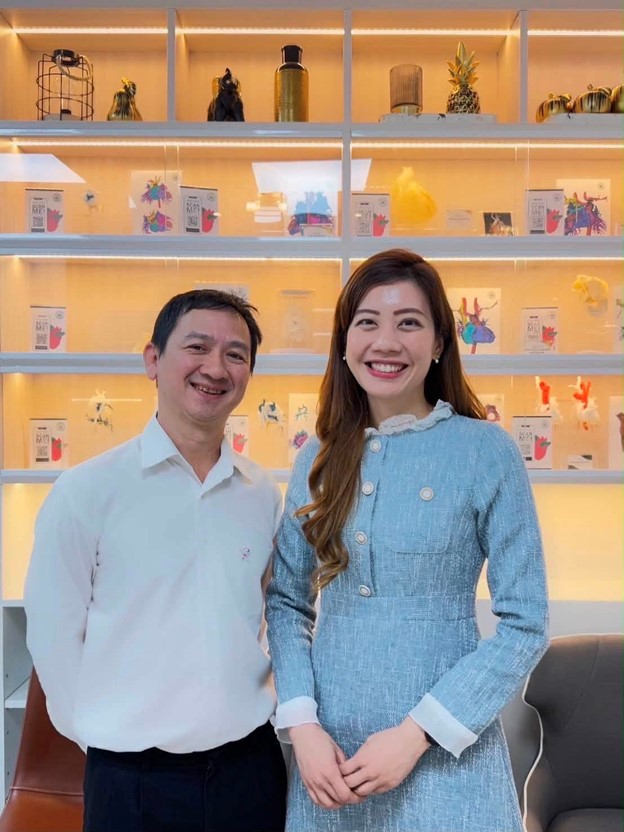
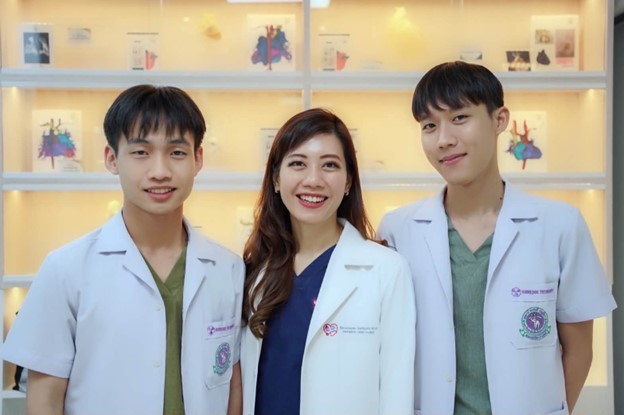
โครงการ SpyME (Surgical Planning by Medicine and Engineering) ถือเป็นอีกหนึ่งในการประยุกต์งานทางวิศวกรรมเพื่อประโยชน์ทางการแพทย์ ร่วมกับหน่วย Cardiac MRI คณะแพทยศาสตร์ โดย รองศาสตราจารย์ ดร.พญ. ขวัญนภัส แสงสิน งานวิจัยนี้ได้รับการนำเสนอโดยนักศึกษาระดับปริญญาโท นายธีรดนย์ อภิสิทธิ์สันติกุล ในงานประชุม ICBEA 2026 (การประชุมนานาชาติด้านวิศวกรรมชีวการแพทย์และการประยุกต์ใช้ ครั้งที่ 10) ในหัวข้อ "Hemodynamic Analysis in Patients with Post-Fontan Surgery With 4D MRI and Computational Modelling" ระหว่างวันที่ 26–29 มีนาคม 2569 ที่ผ่านมา ณ เมืองคิตะคิวชู ประเทศญี่ปุ่น ยิ่งไปกว่านั้น รศ.ดร.ยศธนา คุณาทร รศ.ดร.พญ.ขวัญนภัส แสงสิน และทีมวิจัย ยังได้ร่วมตีพิมพ์ผลงานวิจัย ในหัวข้อ “The Utility of 4D Flow MRI and Computational Fluid Dynamics in Developing the Fontan Model Enhances Presurgical Planning and Ensures Better Outcomes. The First case report in Thailand” โดยเป็นการนำเสนอผลงานวิจัยในวารสารระดับนานาชาติ ชื่อ Journal of Cardiothoracic Surgery
ดังนั้น อนาคตคือการแพทย์เฉพาะบุคคล ด้วยการแปลงภาพทางการแพทย์ให้กลายเป็นแผนการผ่าตัดที่นำไปปฏิบัติได้จริงในเวลาอันรวดเร็ว งานวิจัยนี้กำลังพาเราเข้าใกล้โลกที่การผ่าตัดหัวใจทุกครั้งได้รับการออกแบบมาเฉพาะสำหรับผู้ป่วยแต่ละคน เพื่อเพิ่มสูงสุดไม่เพียงแค่การอยู่รอด แต่รวมถึงคุณภาพชีวิต ทั้งในด้านพลังงานที่มากขึ้น สมรรถภาพการออกกำลังกายที่ดีขึ้น และภาวะแทรกซ้อนที่น้อยลงในอนาคต
When heart surgery meets cutting-edge engineering, lives change.
At the research laboratory of Associate Professor Dr. Yottana Khunatorn, Department of Mechanical Engineering, Chiang Mai University, pioneering research is underway to improve treatment outcomes for children and adults with congenital heart defects, such as patients undergoing Fontan surgery, a procedure that reroutes blood flow by bypassing the right side of the heart, for children born with only one functional lower heart chamber, among others.
Why is this important? After Fontan surgery, the body's circulatory system undergoes a complete transformation. Blood destined for the lungs lacks the right heart chamber to pump it, meaning every curve and connection in the surgical pathway can create resistance. This causes the heart to work harder, reduces the patient's exercise capacity, and increases the risk of blood clots. Therefore, the research team employs advanced computer simulations combined with 4D MRI imaging to create virtual surgical models before the actual procedure. This enables analysis of blood flow specific to each patient's anatomy, aiding in surgical planning that minimizes energy loss, balances blood flow to both lungs, and reduces clot risk. These predictions provide surgeons with preoperative data to enhance planning and decision-making during surgery. Additionally, the research includes simulations to determine optimal positions for blood vessel alignments in heart bypass procedures.
The SpyME (Surgical Planning by Medicine and Engineering) project represents another engineering application for medical advancement, in collaboration with the Cardiac MRI Unit, Faculty of Medicine, led by Associate Professor Dr. Kwan Napa Saengsin. This work was presented by Master's student Mr. Theeradon Apisitsantikul at the ICBEA 2026 conference, titled "Hemodynamic Analysis in Patients with Post-Fontan Surgery With 4D MRI and Computational Modelling," held from March 26–29, 2026, in Kitakyushu, Japan.
Last but not least! the research team has published “The Utility of 4D Flow MRI and Computational Fluid Dynamics in Developing the Fontan Model Enhances Presurgical Planning and Ensures Better Outcomes. The First case report in Thailand” in the Journal of Cardiothoracic Surgery.
Thus, the future lies in personalized medicine—transforming medical images into practical surgical plans swiftly. This research is propelling us toward a world where every heart surgery is tailored specifically for each patient, maximizing not only survival but also quality of life through increased energy, improved exercise capacity, and fewer future complications.
What excites you most about the intersection of medicine and engineering? Share your thoughts in the comment section below!Full documentation of this research is accessible at https://link.springer.com/article/10.1186/s13019-026-04096-8


Faculty of Engineering
Chiang Mai University © 2020 All rights reserved.
by เมื่องานวิศวกรรมมาบรรจบกับการผ่าตัดหัวใจ ชีวิตก็เปลี่ยนไป
โครงสร้างหลักสูตร
ติดต่อสอบถาม
ภาควิชาวิศวกรรมเครื่องกล คณะวิศวกรรมศาสตร์ มหาวิทยาลัยเชียงใหม่ 239 ถนนห้วยแก้ว ตำบลสุเทพ อำเภอเมือง จังหวัดเชียงใหม่ 50200
เบอร์โทร : 0 5394 4146 ต่อ 411-415
fax : 0 5394 4145
Email :